

Every April, public spaces are often filled with reflections on the history of the struggle for gender equality in Indonesia. April 21st, which commemorates the birth of Raden Ajeng Kartini in Jepara in 1879, was long established through Presidential Decree No. 108 of 1964 as a national occasion to commemorate the great vision of this pioneer of emancipation.
However, if we examine her letters in "Habis Gelap Terbitlah Terang" (Out of Darkness to Light), Kartini's concerns about how women could achieve autonomy through education. She believed that educated women were the key to producing a better generation. Interestingly, this vision became a reality in our national development policies decades later.
In May 1999, the government took action by issuing Government Regulation No. 38 of 1999. This marked the beginning of the establishment of PT PNM (Persero), an institution specifically mandated to drive the people's economy through the empowerment of cooperatives and small and medium enterprises. Her spirit aligns with what Kartini once championed: providing a platform for communities, especially women, to become economically and socially independent.
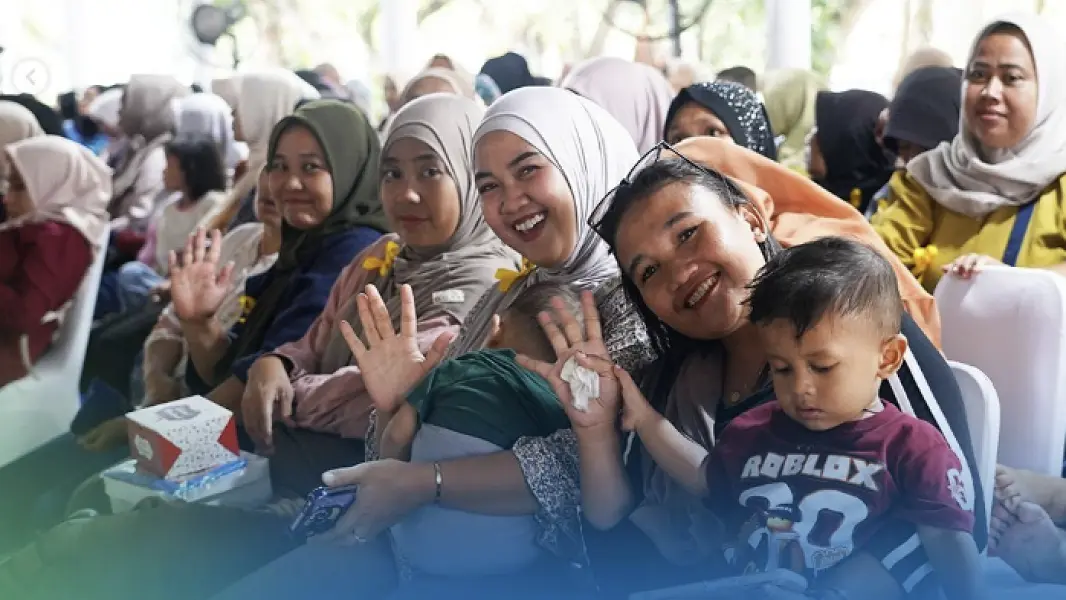
On the ground, the implementation of this mandate is manifested in a vibrant ecosystem. In Bojonegoro, for example, many residents refer to PNM customer meetings as schools. There, mothers not only gain access to microfinance but also learning spaces through weekly group meetings known as the Business Capacity Development (PKU) program. It is in these spaces that a mental transformation occurs, transforming them from housewives into family economic heroes.
We can see concrete evidence of this in Mrs. Ani Juwariyah in Samarinda. As a person with a disability, she proves that physical limitations are no barrier to running a bakery that supports her family. The support she receives, in addition to financial capital, also includes ongoing mentoring that strengthens her mental and social networks. Similarly, Mrs. Hikayati in Serang is able to balance her dedication as a madrasah teacher with running a small business for the future of her children.
The impact of this empowerment movement has had a remarkable domino effect. To date, approximately 22.7 million customers or families have been empowered through access to capital and business guidance. Even more impressive, this struggle is being continued by younger generations like Jeni Adilasari. Inspired by her mother, who was a member of PNM, Jeni now dedicates herself as an Account Officer (AO) to assisting other underprivileged women in remote areas of the country.
Ultimately, celebrating Kartini Day today is about supporting every woman's courageous dream and independence. Empowering one woman means investing in the well-being of a family, a community, and ultimately the progress of the Indonesian economy as a whole. Through the synergy of strong policies and the unyielding spirit of women on the ground, the flame once lit by Kartini will continue to burn brightly, leading us out of darkness and into a more inclusive future.